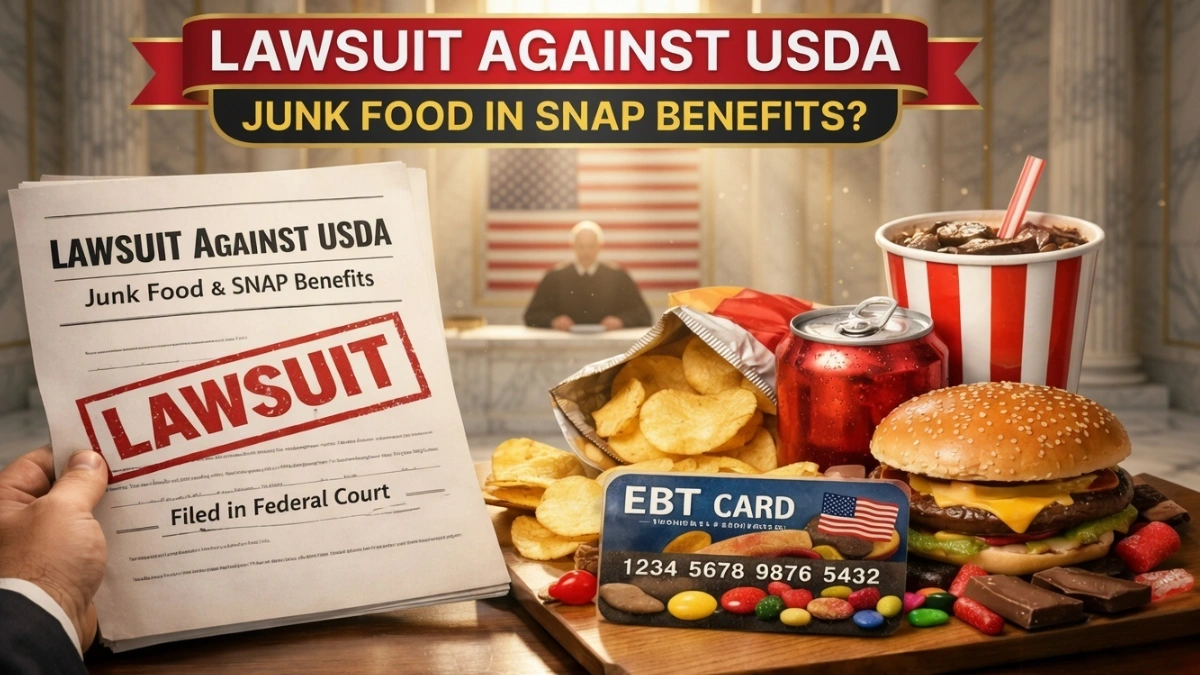
The lawsuit targets USDA policies that allow SNAP recipients to buy a broad range of food products, including items high in sugar, fat, or sodium. Advocacy groups argue that limiting unhealthy food purchases could promote better nutrition and reduce diet-related health issues among low-income households.
The outcome of the case could influence whether SNAP continues to cover sodas, candy, and other junk foods, or if stricter nutritional guidelines are enforced.
Who Is Involved
Key stakeholders in the lawsuit include:
USDA – defending current SNAP rules and program flexibility
Public health advocacy groups – pushing for stricter nutritional standards
Retailers – concerned about the impact on sales and SNAP usability
SNAP beneficiaries – directly affected by any restrictions on purchases
Potential Impacts on SNAP Beneficiaries
| Scenario | Possible Outcome | Effect on Recipients |
|---|---|---|
| USDA policy upheld | SNAP benefits remain flexible | Recipients can continue purchasing a wide range of foods |
| Restrictions imposed | Certain junk foods excluded | May encourage healthier choices but limit convenience or personal choice |
| Partial changes | Only highly processed items restricted | Mixed impact on dietary habits and household budgeting |
This table highlights the scenarios and potential effects on SNAP beneficiaries depending on the lawsuit outcome.
Arguments for Restricting Junk Food in SNAP
Supporters of the restrictions argue that:
- SNAP recipients often face higher rates of obesity and diet-related diseases
- Limiting unhealthy food could improve overall public health
- The program could promote nutrition education alongside benefit distribution
Arguments Against Restrictions
Opponents highlight:
- Reducing purchase options may limit personal choice and dignity
- Enforcement of restrictions could be complex and costly for retailers
- SNAP is intended to alleviate food insecurity, not dictate dietary habits
Conclusion
The USDA lawsuit could redefine what SNAP benefits can buy, with implications for public health, program flexibility, and low-income families’ daily choices. The outcome will likely influence federal nutrition policy and set a precedent for how government assistance programs balance health goals with personal freedom.
Disclaimer: This article is for informational purposes only. SNAP policies, USDA rules, and legal outcomes may change. Individuals should consult official USDA resources or legal announcements for the most accurate and updated information.