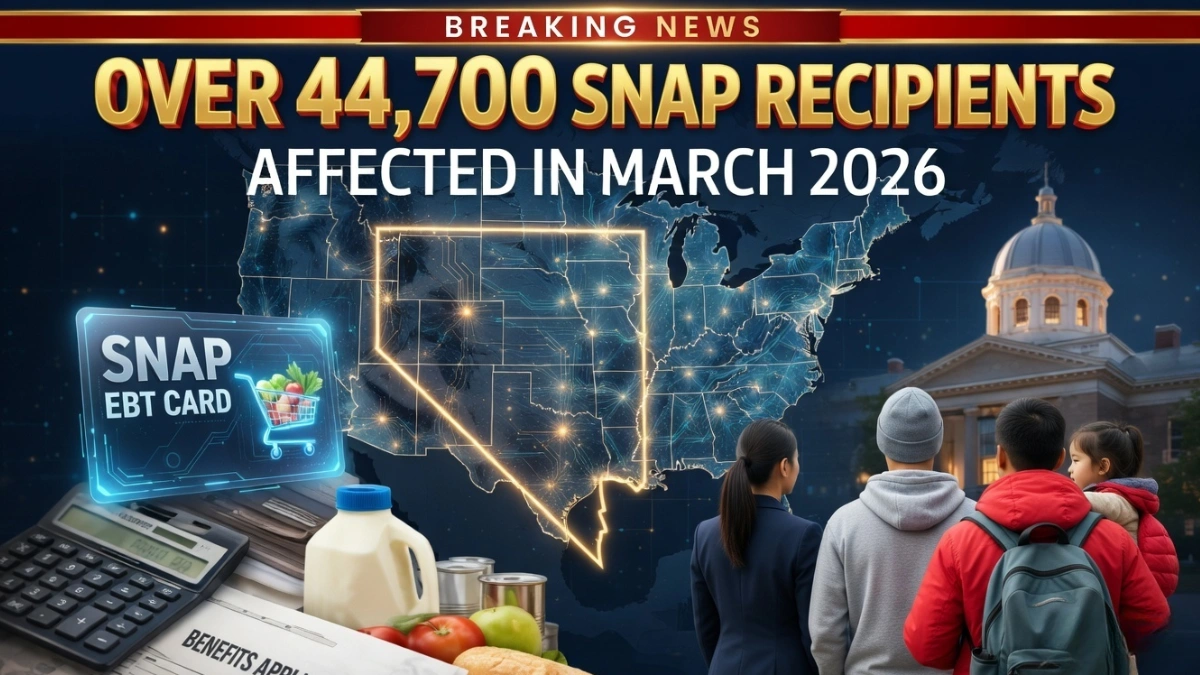
Major changes to SNAP rules are introducing stricter work requirements, potentially impacting thousands of recipients who rely on food assistance programs
Overview of the SNAP Policy Changes
The Supplemental Nutrition Assistance Program (SNAP), one of the largest food assistance programs in the United States, is undergoing significant policy changes. New federal rules are expanding work requirements for certain recipients, which may affect eligibility for thousands of individuals across several states.
These changes are part of a broader policy update aimed at encouraging employment and reducing long-term dependency on government benefits. However, advocates warn that the changes may create challenges for vulnerable populations who rely on food assistance to meet basic needs.
What the New Work Requirements Mean
Under the new rules, many SNAP recipients classified as Able-Bodied Adults Without Dependents (ABAWDs) must meet stricter work or training conditions to keep their benefits. Individuals in this category are generally adults aged 18 to 64 who do not have young dependent children.
To remain eligible for SNAP beyond a limited period, recipients must now work, volunteer, or participate in job training programs for at least 80 hours per month. Failure to meet these requirements could result in the loss of benefits after a short time period.
Key Changes in the Updated SNAP Policy
| Policy Change | What It Means |
|---|---|
| Expanded Work Requirement | Adults aged 18–64 must meet work or training rules |
| Minimum Work Hours | At least 80 hours per month required |
| Reduced Exemptions | Some previously exempt groups may now be included |
| Benefit Time Limits | Non-compliant recipients may lose benefits after three months |
| State Implementation | States are responsible for enforcing the new rules |
These changes significantly reshape how the SNAP program operates in many states.
Who Could Be Most Affected
The policy shift may affect several groups that previously had exemptions or relaxed requirements. Some states estimate that tens of thousands of people could lose benefits if they do not meet the new work conditions.
In certain regions, the changes may impact veterans, individuals experiencing homelessness, former foster youth, and adults with older children who previously qualified for exemptions.
Additionally, local agencies will be responsible for verifying employment or participation in training programs, which may add administrative challenges.
Potential Impact on Food Assistance Access
Supporters of the policy argue that work requirements encourage employment and help ensure benefits are directed to those actively seeking work.
However, critics believe the rules could increase food insecurity for individuals who struggle to find stable employment or face barriers such as transportation issues, health conditions, or irregular work schedules.
Food banks and community organizations in some areas are preparing for higher demand as more individuals potentially lose SNAP assistance.
Future Outlook for SNAP Policy
The SNAP policy shift is part of a larger national debate over the role of public assistance programs. Lawmakers and policy analysts continue to discuss how to balance government spending, employment incentives, and support for low-income households.
As states implement these rules, the long-term impact on employment rates and food security will likely continue to be closely monitored.
Conclusion
The new SNAP work requirement policy marks a major change in the administration of food assistance programs in the United States. By expanding work obligations and reducing exemptions, the policy is expected to affect thousands of recipients across multiple states.
Understanding these changes can help recipients prepare for new eligibility conditions and explore employment or training opportunities required to maintain benefits.
Disclaimer: This article is for informational purposes only. SNAP rules and eligibility requirements may vary by state and are subject to change based on federal or state policy updates. Individuals should consult their local SNAP office for official guidance.